
Behavioral Science: The Missing Link in Remote Monitoring
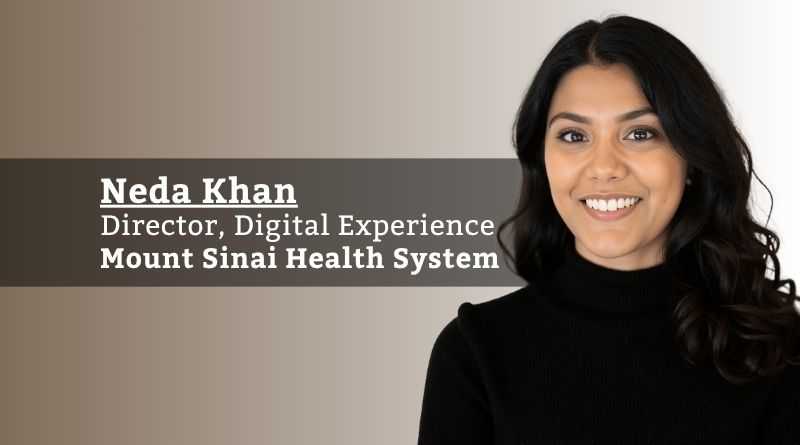
By Neda Khan, Director, Digital Experience, Mount Sinai Health System
Remote patient monitoring (RPM) programs fail far more often than they succeed. Not because the technology doesn’t work—it usually does. They fail because we design systems for ideal patients who don’t exist, while ignoring how real humans actually behave.
Over the past several years, working with behavioral scientists and digital teams at Penn Medicine, Cleveland Clinic, and Mount Sinai, I’ve repeatedly seen this patternHealth systems invest heavily in sophisticated monitoring platforms only to see engagement rates plummet within weeks. The disconnect isn’t technical—it’s psychological.
The good news? Behavioral science offers proven strategies to bridge this gap. Here’s what works.
Start with Smart Defaults
People struggle with too many choices. When patients face screens asking them to configure notification times, measurement schedules, and sharing preferences, many simply give up. Decision fatigue sets in before monitoring even begins.
At Penn Medicine, a team tackled statin medication adherence by changing the default prescription in the EHR from 30 days to 90 days. Physicians could still prescribe 30 days if needed, but most accepted the preset. The result? Improved adherence—not through education campaigns, just by removing the friction of monthly refills.
Apply this to remote monitoring enrollment. When a physician orders monitoring, automatically enroll patients with a simple opt-out option rather than requiring active sign-up. Once enrolled, preset morning measurements for hypertension patients, pre-meal readings for people with diabetes, and post-exercise checks for cardiac patients. Most patients will accept sensible defaults rather than invest mental energy in configuration.
Behavioral design principles can double patient engagement in remote monitoring—the key is psychology, not technology.
Frame Messages Around Loss
Behavioral economics teaches us that people feel losses about twice as intensely as equivalent gains. Yet most monitoring systems emphasize benefits: “Tracking your blood pressure could improve your heart health.”
Reframe instead: “Don’t lose your 15-day monitoring streak” or “You’re 2 days away from earning your monthly consistency badge.” When patients see accumulated effort at risk, maintaining that streak becomes psychologically compelling.
Implement this through simple gamification—streak counters, progress bars, achievement badges. One hypertension patient told me, “I check my blood pressure every morning because I can’t stand seeing that broken streak notification.”
Important nuance: celebrate recovery, not perfection. Messages like “Welcome back! Ready to start a new streak?” work better than “You missed 5 days.”
Link Monitoring to Existing Habits
One of the most powerful strategies is “implementation intentions”—specific plans linking new behaviors to existing routines. Instead of “I’ll check my blood pressure regularly,” effective plans specify: “I’ll check my blood pressure every morning right after I brush my teeth.”
This works because you’re anchoring monitoring to something patients already do automatically. The existing habit triggers the new behavior without requiring motivation or memory.
Build this into onboarding. Don’t just ask “when will you take measurements?” Prompt patients to identify existing daily routines: “What’s something you do every morning without fail?” Then use that specific commitment in reminders: “Time for your blood pressure check—right after brushing your teeth.”
Response rates to personalized, habit-linked reminders can be 60-70% higher than generic notifications.
Adapt Messaging to Engagement Patterns
Social proof is powerful—”85% of patients like you logged their readings today”—but peer comparison motivates high-performers while demoralizing struggling patients.
The solution is adaptive messaging. High performers see peer comparisons reinforcing their behavior. Patients below average see messages celebrating individual progress: “You’ve improved consistency by 20% this month.”
This requires backend logic that analyzes engagement patterns and dynamically selects message types. When implemented, patient satisfaction increased by 15% while maintaining privacy through aggregate, anonymized comparisons.
Leverage Temporal Landmarks
Patient engagement naturally ebbs and flows. What matters is how your system responds when patients lapse.
Behavioral research shows that people are more likely to pursue goals after “temporal landmarks”—Mondays, first of the month, birthdays, and medical appointments. Build this into the recovery strategy. When activity drops, wait for the next temporal landmark, then send: “New week, fresh start. Many patients find Monday mornings perfect for restarting their monitoring routine.”
This approach improved re-engagement rates for lapsed patients from 31% to 54%.
Provide Immediate Feedback
Chronic disease management (CDM) operates on long timelines. Patients might not see health improvements for months, creating a motivation problem: our brains crave immediate rewards.
Provide immediate, tangible feedback after every interaction. When patients log measurements, show graphs trending over time, progress toward goals, color-coded indicators, and congratulatory messages. One diabetes patient said, “Seeing that graph after I log my glucose—it makes it feel real. I’m not just entering numbers into the void.”
Make the invisible visible, and make it visible immediately.
Moving Forward
RPM represents a significant investment. But technology alone has never been the bottleneck—sustained patient engagement drives outcomes.
The principles described here—smart defaults, loss framing, habit stacking, adaptive messaging, temporal landmarks, and immediate feedback—don’t require expensive new technology. They require thoughtful design decisions applied systematically to every patient touchpoint.
When health systems design monitoring programs around how humans actually behave rather than how we wish they behaved, programs succeed. The future of effective remote monitoring isn’t just about better devices—it’s about better application of behavioral science to help patients succeed with the devices we already have.