Remote Monitoring: A Partner, Not a Replacement, in Traditional Care
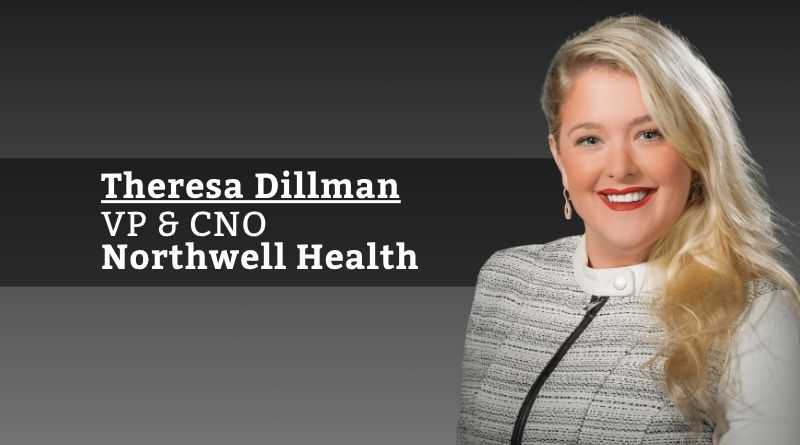
By Theresa Dillman, VP & CNO, Northwell Health
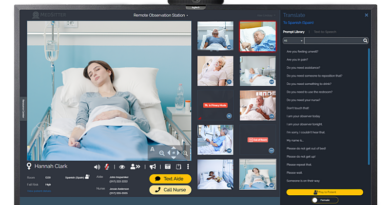
As CNO, I stand at the intersection of tradition and transformation. Every day, I witness the extraordinary dedication of nurses, physicians, and allied health professionals who deliver exemplary bedside care. I also see the rising tide of technology—remote monitoring devices, digital dashboards, predictive analytics—promising to reshape how we care for patients. The question before us is not whether remote monitoring will change healthcare; it already has. The question is how we ensure it complements, rather than replaces, the human touch that defines healing.
The Spirit of Traditional Care
Traditional care is built on relationships. It is the nurse who notices subtle changes in a patient’s breathing, the physician who hears the tremor in a patient’s voice, the physical therapist who identifies hesitation in a movement. These are not data points; they are human observations, born from compassion, intuition, and experience. They remind us that care is not only about curing disease but about comforting the person who carries it.
Remote monitoring cannot replicate this spirit. A wearable sensor may detect arrhythmias, but it cannot hold a patient’s hand when fear sets in. Technology is a powerful tool, but it is not empathetic. That is why remote health monitoring must serve as a complement, never a substitute.
Remote monitoring provides the information; traditional care provides the wisdom. Together, they create a partnership that is both informed and compassionate.
Extending the Reach of Remote Health Monitoring and Care
Where remote monitoring shines is in extending the reach of traditional care. It allows us to see beyond the hospital walls, into the daily lives of patients. For instance:
- Chronic disease management: Patients with diabetes or hypertension can transmit daily readings, enabling clinicians to intervene before complications arise.
- Post‑operative recovery: Surgical patients can be monitored for infection or mobility, reducing readmissions and improving outcomes.
- Elderly care: Seniors living independently can be supported with fall detection and vital sign monitoring, preserving dignity while safeguarding the individual.
In each case, remote monitoring does not replace the nurse’s assessment or the physician’s judgment. It amplifies them with a continuous flow of information that enhances our understanding of the patient’s condition, allowing us to act sooner and more efficiently.
Empowering Patients as Partners
Remote monitoring also empowers patients. It shifts them from passive recipients of care to active participants. When patients see their own data, blood pressure trends, glucose levels, and oxygen saturation, they gain insight into how their choices affect their health. This fosters accountability and engagement. It transforms care from something done to them into something done with them.
Yet empowerment requires guidance. Patients require nurses and clinicians to interpret the numbers, to explain what matters and what does not, and to reassure them when fluctuations occur. Remote monitoring provides the information; traditional care provides the wisdom. Together, they create a partnership that is both informed and compassionate.
Reducing Inequities, Not Widening Them
We must also acknowledge the risk: technology can widen disparities if not implemented thoughtfully. Remote monitoring requires access to devices, connectivity, and digital literacy. If we are not careful, it may privilege those with resources while leaving vulnerable patient populations behind.
That means advocating for programs that provide devices to underserved populations, designing interfaces that are simple and accessible, and offering training that empowers patients of all backgrounds. Remote monitoring should be a bridge, not a barrier.
Preserving the Human Connection
The greatest danger of remote monitoring is not technological; it is philosophical. If we begin to see patients as data streams rather than human beings, we risk losing the essence of healthcare. That is why we must insist that remote monitoring is a tool, not a replacement. It is the stethoscope of the digital era: invaluable and meaningless without the clinician who handles it.
Nurses must remain at the center of this integration. We are the interpreters of data, the advocates for patients, the guardians of compassion. Remote monitoring can tell us what is happening; nursing tells us why it matters. Technology can alert us to risk; nursing responds with care. This synergy is where healing truly occurs.
A Vision for the Future
Imagine a future where every patient discharged from the hospital carries with them a digital safety net. Their vital signs are monitored, symptoms tracked, and progress shared with their care team. Imagine a nurse receiving an alert that a patient’s oxygen saturation has dropped, immediately calling to assess, and prevent a crisis before it unfolds. Imagine families reassured that their loved ones are not alone, even when miles apart.
This is the promise of remote monitoring when woven into traditional care. It is a future where technology extends our reach, empowers our patients, and strengthens our relationships. But it is also a future where the nurse’s touch, the physician’s direction, and the therapist’s encouragement remain irreplaceable.
As CNO, I believe the path forward is clear. We must integrate remote monitoring into traditional care models as a complement, not a replacement. We must use it to extend our reach, empower our patients, reduce inequities, and preserve the human connection at the heart of healing. If we succeed, we will not only transform healthcare—we will honor its essence.