
Behavioral Health Technology Requires Human Understanding
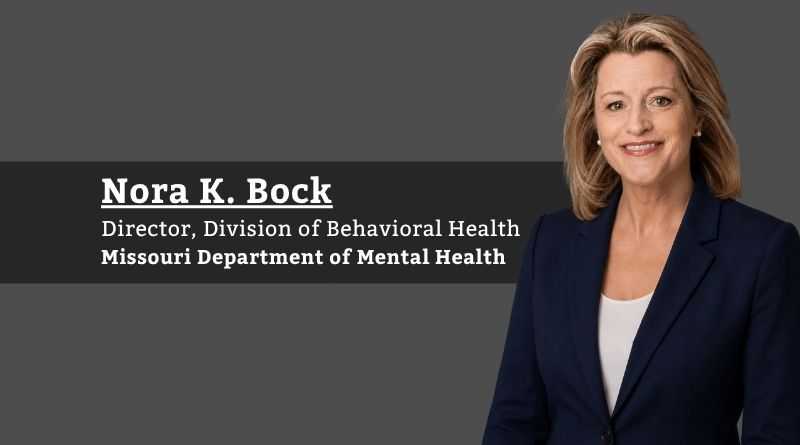
By Nora K. Bock, Director, Division of Behavioral Health, Missouri Department of Mental Health
Behavioral healthcare has persistent problems: access barriers, workforce shortages, fragmented care, data gaps, and rising demand. In the AI era, technology is understandably offered as a major part of the answer. Systems need better tools. Providers need relief from administrative burden. Leaders and policymakers need better information. People seeking care need systems that are easier to navigate.
After almost 30 years inside a public behavioral health system, I have been a party to system rollouts, planning debates, timeline extensions, and tempered expectations. As a result, I am cautious about any technology solution that sounds too simple. Technology can absolutely help. It can also add work for non-technical staff expose weak processes, make access easier for some while making it harder for others, or solve one problem while creating three more. The difference is rarely the software alone. The difference is whether the technology is planned and implemented with a clear understanding of the people, workflows, funding requirements, and other realities it is expected to support.
In behavioral health, the work is deeply human and highly regulated. A new platform may promise faster access or better coordination, but it must fit the daily rhythm of clinicians, peer specialists, care coordinators, supervisors, billing staff, quality and compliance teams, and the people receiving services. A tool may look efficient in a demo because demos rarely capture staff learning curves, productivity expectations, documentation requirements, vacancies, turnover, and crisis situations.
These aren’t exceptions — they are the rules.
That is why planning deserves as much attention as the technology itself. Too often, the conversation starts with what a tool can do rather than what the system needs to make the work easier. Will it simplify documentation? Can it reduce duplicate entry? Can it communicate with legacy systems or separate electronic health records? Will it support good supervision, generate useful information for clinical and policy decision-making, and make sense to the staff expected to rely on it every day?
Obviously, the demonstration is not the implementation. A polished product walk-through can show the cleanest version of a process, but behavioral healthcare is just plain messy. People arrive late or miss appointments. Medicaid eligibility changes, often. Crisis situations interrupt planned work. Staff turnover and vacancies increase everyone else’s workload. Documentation rules change. These aren’t exceptions—they are the rules. A strong technology strategy must account for regularly occurring chaos.
Public behavioral health systems also carry responsibilities that may not be obvious to companies that usually work in the private market. Technology decisions must consider state procurement rules, privacy requirements, Medicaid billing, grant reporting, audit expectations, legislative interests, the state budget, and the potential need to support multiple agencies or provider networks. These are not excuses for slow progress. They are the conditions under which progress must occur. Ignoring them does not make implementation easier; it usually delays progress and increases the expense later.
Workforce impact is one of the most important tests. Behavioral health organizations are already asking staff to do more with less. A technology project that promises efficiency may require significant staff time in the present. Training, workflow redesign, data cleanup, clinical cutovers, policy decisions, testing, troubleshooting, and change management all compete with daily service delivery. Often, the same people providing care must also be neck deep in planning and implementation. If the plan assumes unlimited staff capacity, it’s not really a plan.
The same is true for data. Better data is essential, but more data is not automatically better information. Systems can collect thousands of fields and still fail to answer the questions that matter most: Are people getting timely access to care? Are services helping address symptoms and improve outcomes? What is creating avoidable burden? What needs leadership attention? Data should support judgment, not overwhelm it.
Technology vendors and public behavioral health leaders need each other. Vendors bring creativity, technical expertise, and speed. System leaders bring context, accountability, and an understanding of what happens when policy, operations, and care delivery collide. The best partnerships begin with honesty. What problems are we trying to solve? Who will use the tool? What will change for providers and people seeking care? What risks should we name and specifically plan for before contracts are signed?
The best projects also make room for feedback during and after launch. Staff needs a way to say what is working, what is confusing, and where the tool is adding burden. Leaders need enough humility to adjust course. Implementation is not a single event; it is an ongoing process of learning whether the solution is actually improving the work it was meant to support.
Behavioral health does not need technology for technology’s sake. It needs tools that make care easier to access, coordinate, and sustain despite predictable unpredictability. It needs solutions that respect the realities of the workforce and the complexity of public systems. Technology works best when it strengthens judgment, reduces burden, and helps people deliver care.
The future of behavioral health includes more technology. But the systems that benefit most will ask practical questions from the start, listen to the people closest to the work, and measure success not by what technology can do in theory, but by what it makes possible in practice.