Tackling Staffing Challenges and Finding Innovative Solutions
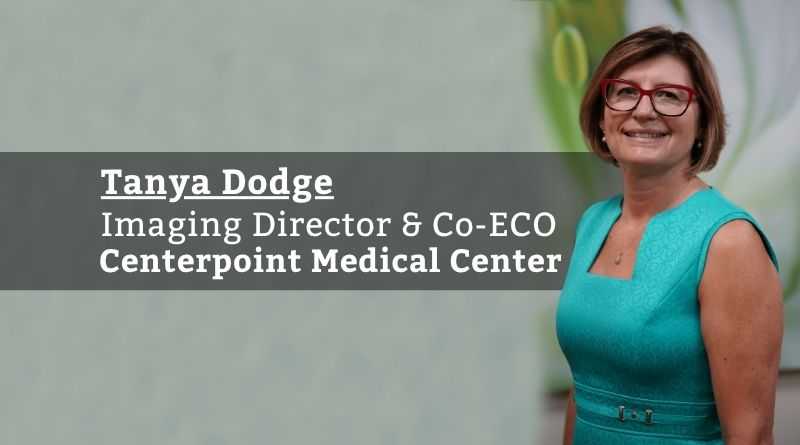
By Tanya Dodge, Imaging Director & Co-ECO, Centerpoint Medical Center
Hospitals continue to face staffing shortages due to the pandemic, making it crucial to share best practices and develop new strategies to build well-balanced imaging department teams. Traditional hiring models of experienced staff or recent graduates are no longer sufficient; creating both short and long-term staffing plans is essential for future resilience. Imaging leaders must adapt to the changing landscape of recruiting, hiring and retaining talented staff to run a well-maintained department.
To attract and retain potential employees, build a toolbox of options by offering entry-level jobs, high school shadow programs, student tech roles, pre-student & student support groups, relocation and sign-on bonuses, cross-training and on-the-job cross-training, job growth opportunities, multi-modality roles, differentials, weekend-only programs, and staff forums that encourage idea sharing and foster a positive departmental culture. If you lack these, develop them with your leadership team. It matters, do it.
To address our own recruiting challenges, I was lacking in building meaningful connections with students during their pre-req and early months of school. This includes viewing them as future team members, engaging them early, and proactively sharing the benefits and opportunities in imaging. We began purposefully meeting over meals. While we do talk, we’re working on listening to what is going on in school or what they like or do not like about imaging. This helps us focus on what roles best fit our graduates. I joke that I will be speaking to kindergarten kids soon, but I have worked with local junior high students to spark their interest earlier in imaging roles and to expand their minds beyond traditional medical careers, such as doctors or nurses.
Take risks to innovate and move forward. Each day presents a chance for a breakthrough idea, and even failures demonstrate a commitment to improvement beyond the status quo.
I recommend offering shadowing in imaging, creating radiology tech associate roles, and creating community involvement with schools at all levels to help get your facility’s name out there. You can focus on creating that excitement early on and building a local, long-term stream of young adults who see imaging as a professional career with long-term growth potential. My team created PowerPoint presentations and whiteboards and used resources from marketing and other departments within the facility to identify opportunities to show up and talk to kids of all ages, helping them explore jobs they might be interested in pursuing. This allowed us to talk about our facilities programs to support them, and even those who needed scholarships began to consider our profession. It is exciting to hear a teacher say, “They are going to apply to radiology schools because of what you said.”
The other option is to look at the students you have in your facilities. Can you add students, or other student programs, or add students on off shifts? If you don’t have an affiliation with schools, you should. Some areas are described as school deserts, but if you search, you will find unique partnerships for short rotations in rural communities. We have set quarterly student sessions; by discussing their needs and inviting the modality leads for each modality, it helps connect them to our department. We then sit together, in person and without phones or interruption, it matters. It is worth it. Trust me.
Hire students into assistant programs, rotate them through different areas for exposure to all modalities, and emphasize that they are wanted on your team. Have your team do the same and recruit them continuously. Ask your team which students they prefer, listen to them, and hire accordingly. Ask the students which modality they like, or what part of diagnostic they like, to find out what interests them personally. These build trust and culture when you add them to your team.
Identify who on your staff is excelling, ready for new challenges, or struggling. Initiate conversations and ask employees how you can help. Your support matters. Even if they don’t respond immediately, your offer will stay with them. Eventually, someone may ask if your offer still stands. That’s your chance to help them grow and stay. This is the essence of leadership and is by far one of the most important aspects of maintaining an experienced team in each modality.
Promote and credit staff ideas even when they’re not present in the room where it is being discussed. This investment in recognition and innovation enhances patient care and workplace culture, making your facility a desired destination for those who work in it and the community. This will help you hire and keep recruits and strengthen your department. Fight for the next generation in rooms they are not in, and it will pay dividends. Do it, it matters.
Build a desirable workplace by collaborating with peer directors through a variety of organizations or social media groups, regularly sharing strategies if you are part of a larger system, and creating enjoyable activities for your team often and on all shifts. Engage with all staff, students and adjacent departments including on- and off-shift and consistently demonstrate appreciation. Learn from both failures and successes and keep showing up to support your team. As John Mayer said on CBS Sunday morning this week, “Maybe today’s the day you write ‘Thriller.’ Chances are it’s not. But the only way you get to the chance that it is, is you keep showing up”. Show up, do it; it matters.